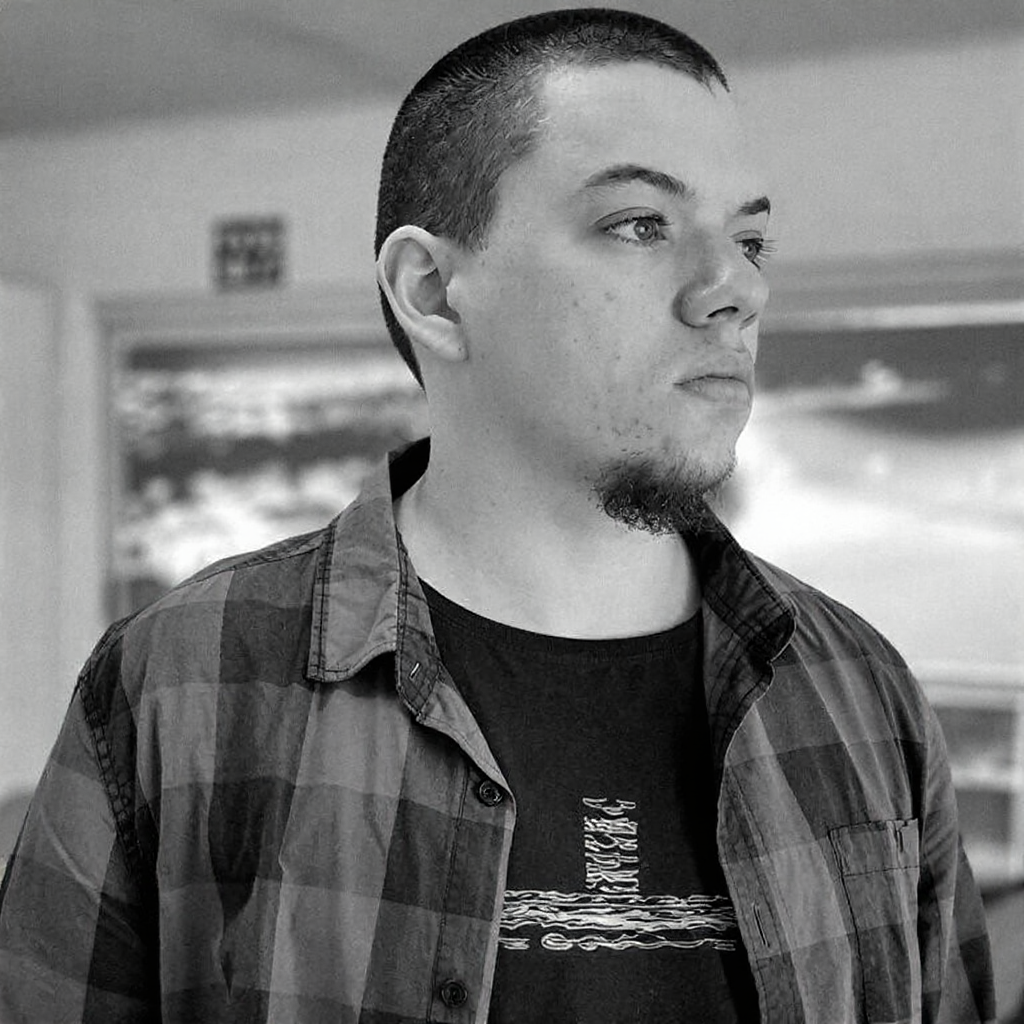
Breno Aguirres
SOFTWARE ENGINEER
 LOST RENEGADES
A small independent studio building games — and the technology to run them — from the ground up.
Currently developing Project Viola, an action-adventure RPG of bandits, gaslight, and folk-spirits — on our own engine, the Shield Engine.
PROJECT 01
A bandit's elegy, played in the key of N64.
Project Viola is a third-person action-adventure RPG that returns to the late-90s Nintendo 64 idiom — Z-targeting combat, dungeon-based exploration, tools that gate the world, a quiet hub world to walk between trials — and threads it through a setting almost no game has visited.
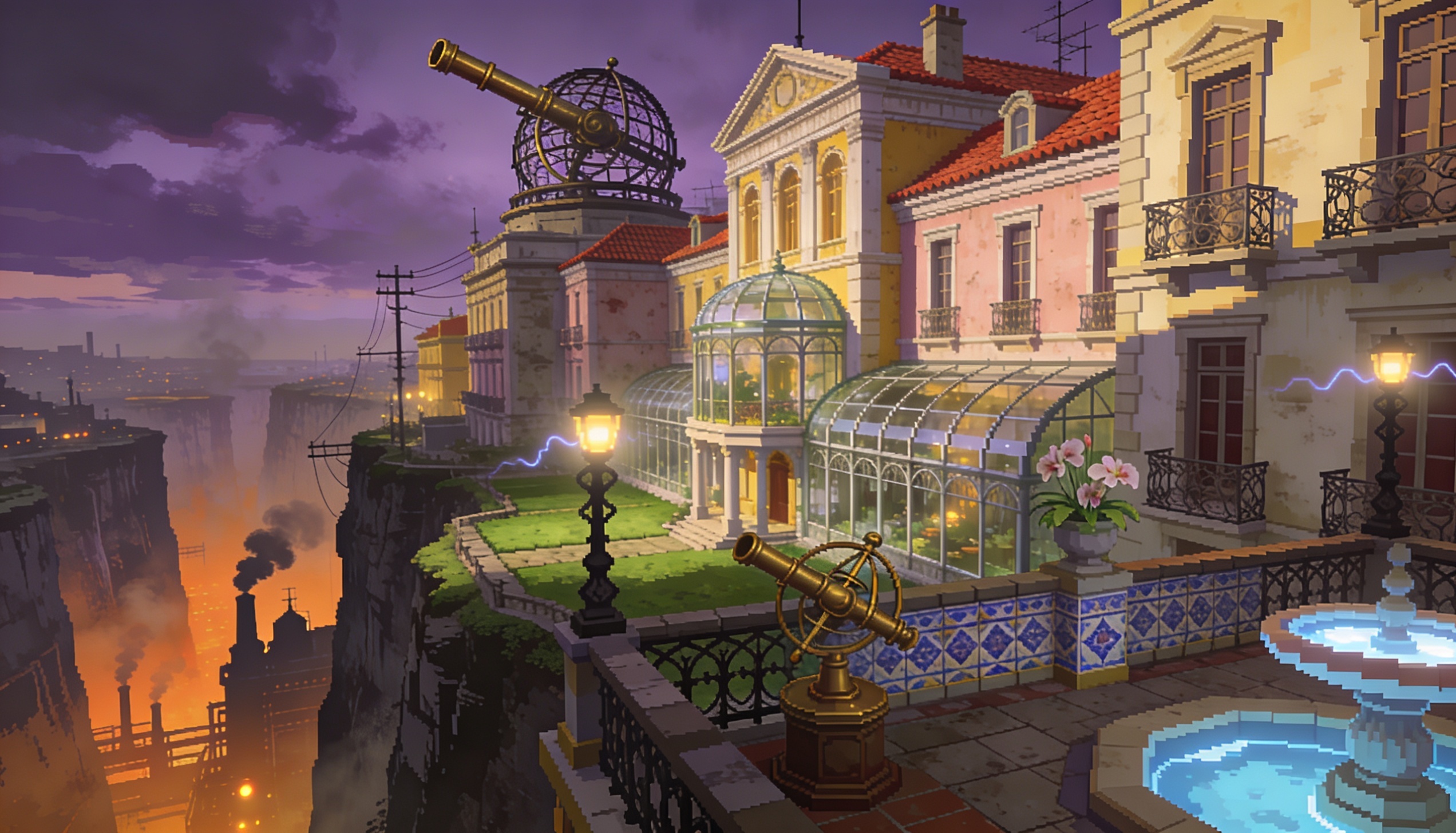
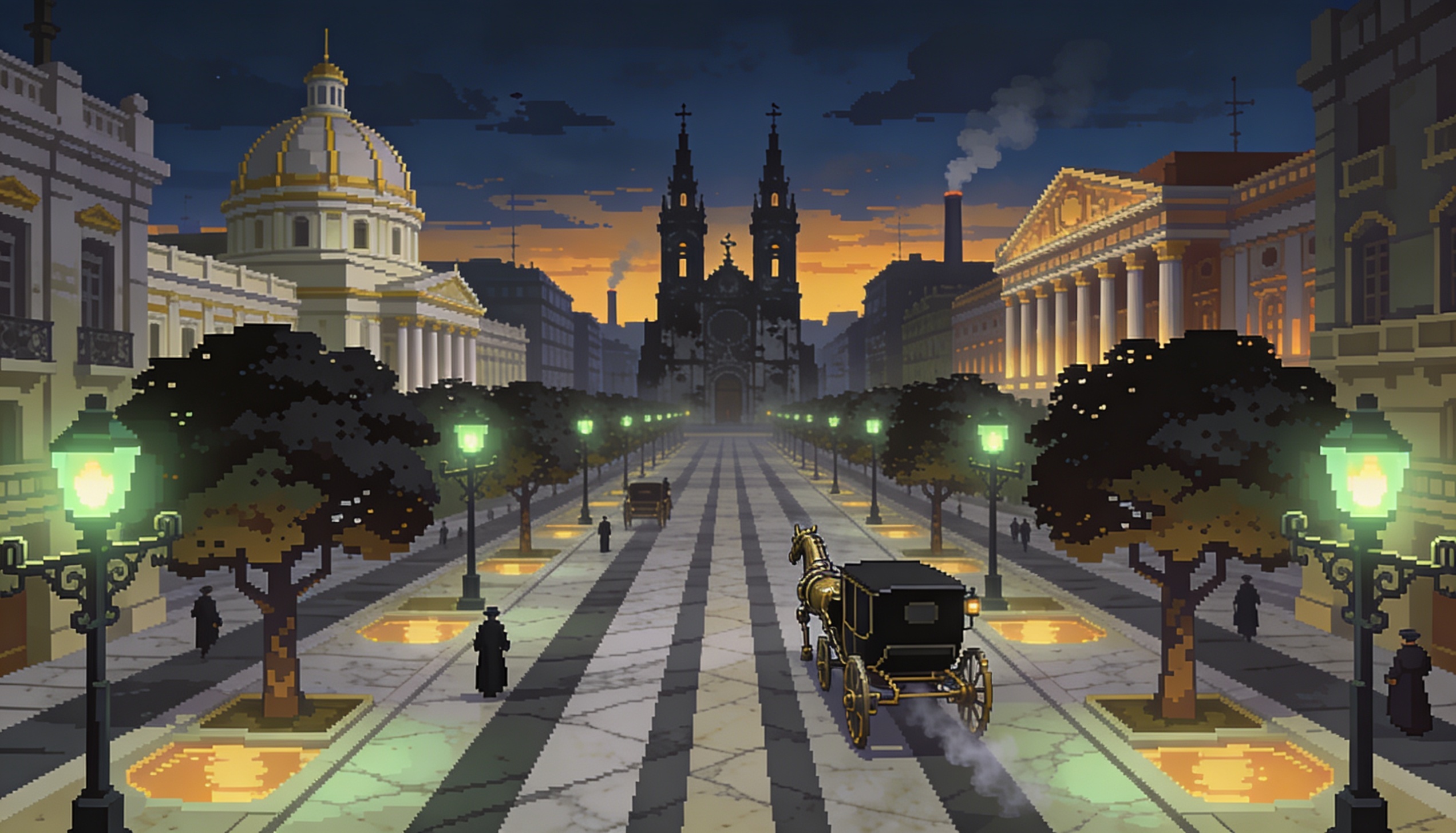
The world is a steampunk-dystopian Brazil. A seven-tier vertical megalopolis named Fumasa breathes gaslight and soot into a sky stained by furnaces. Below it, the red-dust sertão burns; further out lie river-jungles and salt flats where the encantados — the folk-spirits — are no longer rumor. Magic is real. So is the militia.
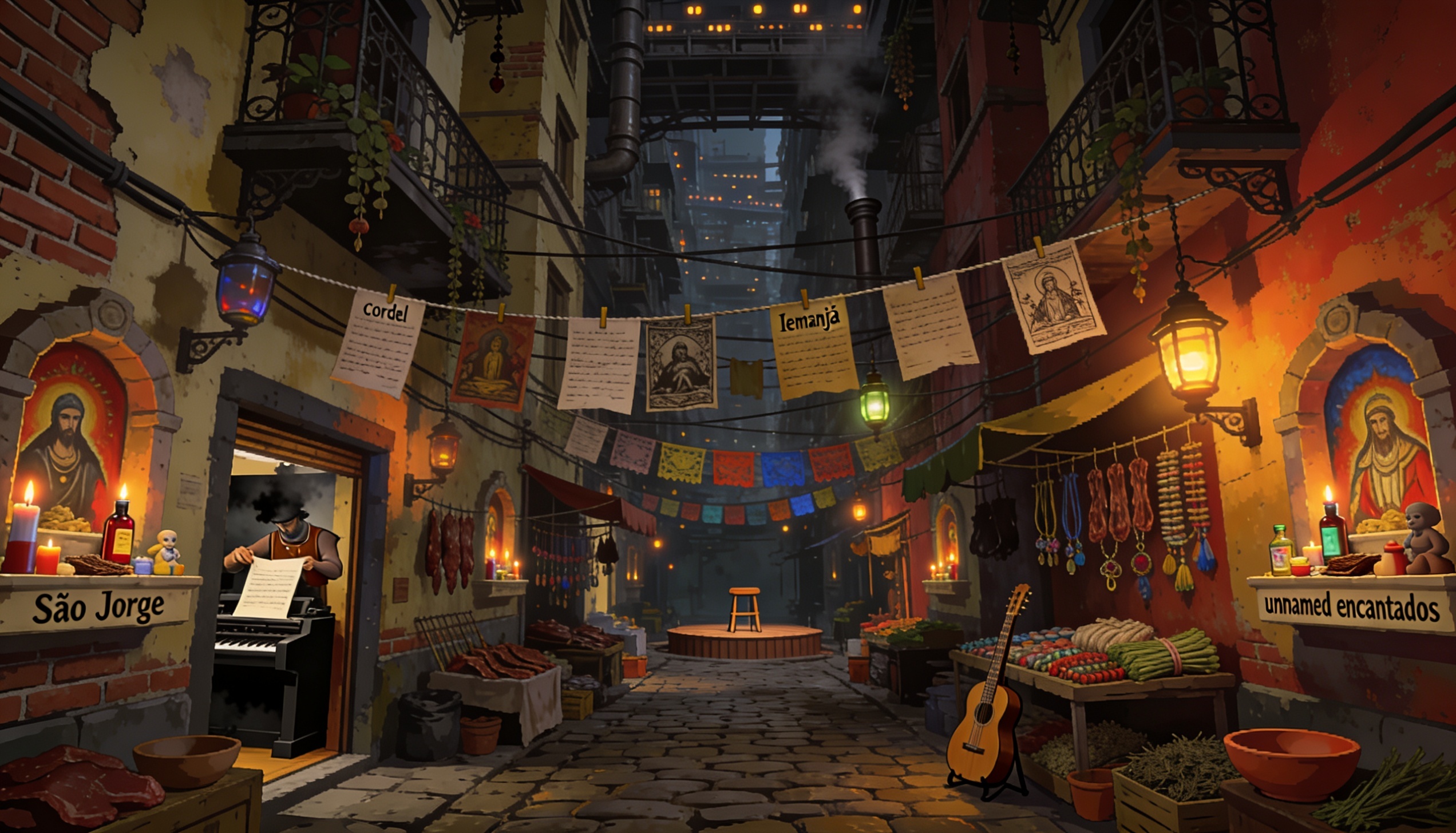
You play cangaceiros — bounty-hunting bandit-warriors of the backlands — riding between contracts in a country where the powerful trade in saints and silver. Progression is in tools, not statistics: each dungeon teaches one mechanic and trusts you to use it.
The conceit: the story is narrated from beyond death. Kirino, a cangaceiro composing his own legend in cordel verse, tells it as he remembers it — which is to say, not honestly. What you see and what he sings drift apart. It is a game about how a life becomes a song, and what gets lost in the singing. (Machado de Assis is on the shelf.)
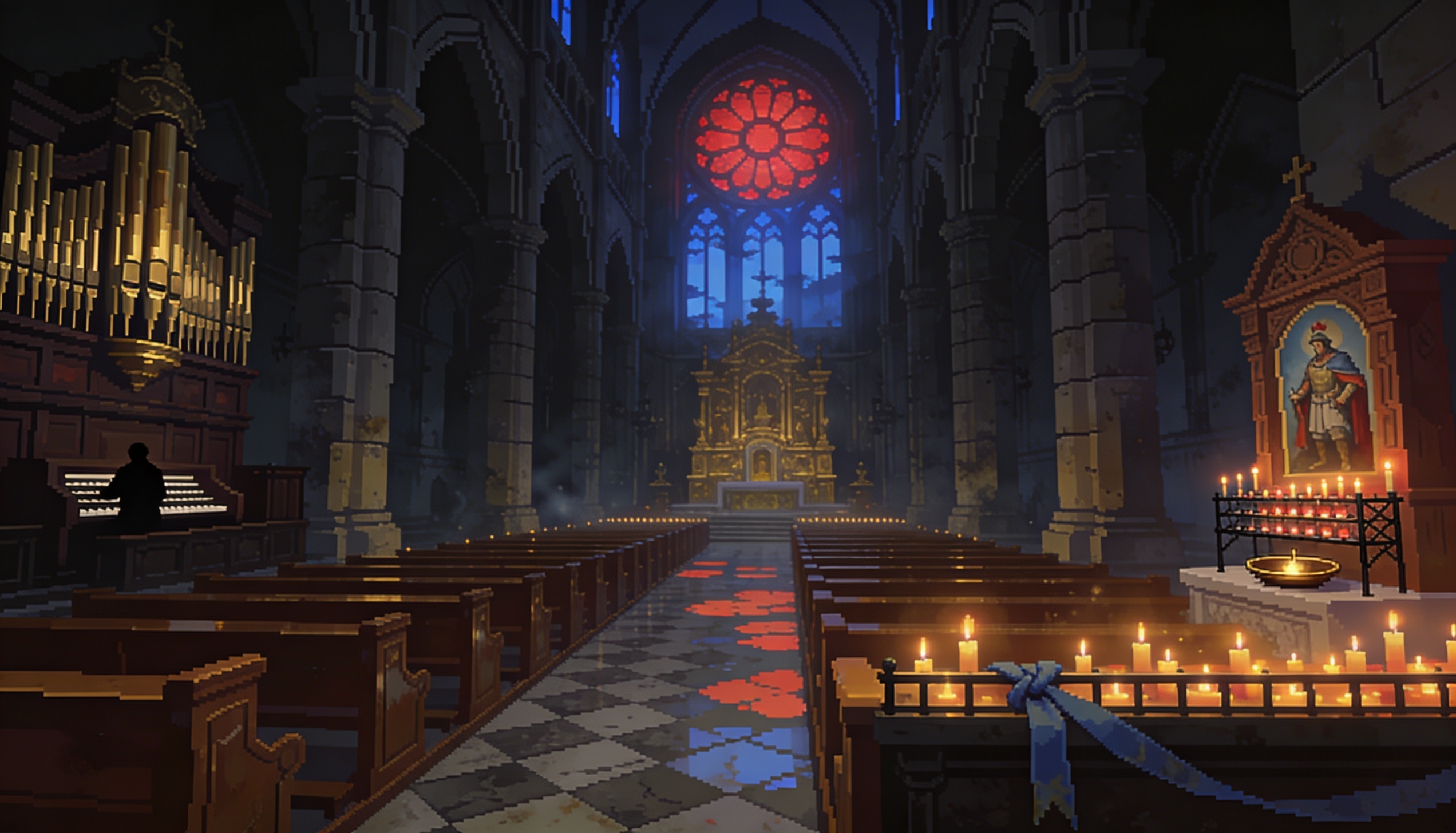
DEMO SCENE
CONCEPT ART
LEVEL DESIGN SKETCH
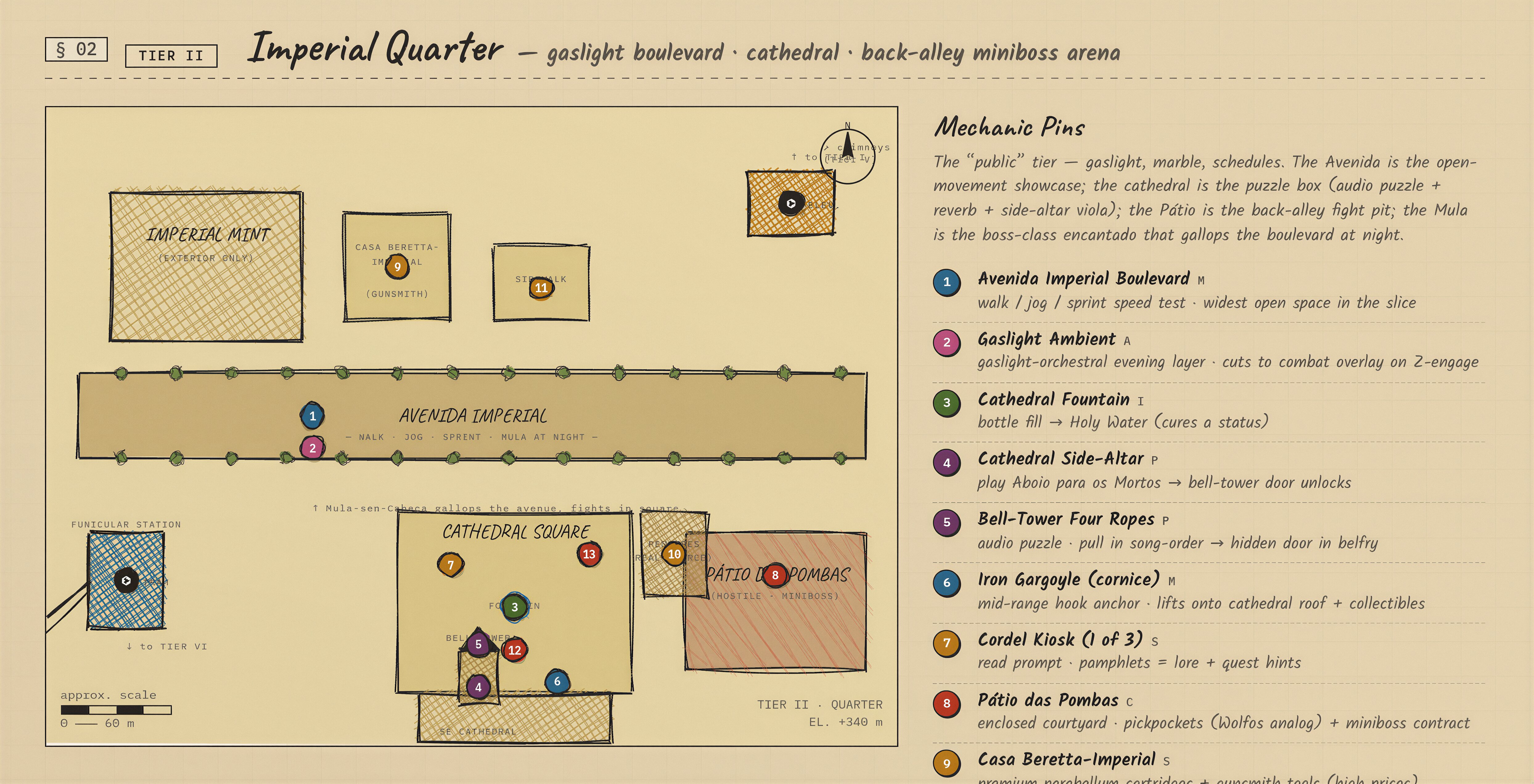
An early dungeon layout — paper before pixels.
TECHNOLOGY
Built from scratch — because owning the stack is the work.
Lost Renegades is migrating Project Viola onto the Shield Engine — our fully custom, proprietary engine, written in C and C++ on top of Vulkan. There is no Unreal, no Unity, no third-party runtime beneath: just code we control, end to end.
An entity-component-system architecture sits at the core. Above it, a deliberately late-N64 graphics pipeline — a small family of Vulkan pipelines (opaque, alpha-blended transparent, additive, skybox, UI/HUD, wireframe debug) running Gouraud lighting, nearest-neighbor textures, and depth fog by design. Physics, audio, scene and resource management, skeletal animation, particle systems, a fixed-timestep main loop — every layer built in-house.
Two reasons we work this way. The look of Project Viola lives or dies on a renderer we can sculpt to the millimeter; and the studio's long-term independence depends on never paying rent on the tools we ship with.
UNDER THE HOOD
A modern low-level core. No third-party runtime underneath the work.
Composition over inheritance, all the way down. Designed for the game we are actually shipping.
Opaque, transparent, additive, skybox, HUD, and wireframe debug — Gouraud-lit, nearest-neighbor sampled, depth-fogged on purpose.
Built from scratch so collision and motion can be shaped to fit Project Viola, not a generic middleware.
In-house mixing and routing — the soundscape is part of the engine, not bolted on.
Deterministic simulation tick decoupled from render. Predictable, debuggable, reproducible.
Loading, lifetimes, and reference graphs handled by code we can read on a Sunday morning.
Bones, skinning, and blending wired through the ECS for clean composition with gameplay state.
GPU- and CPU-side emitters tuned for the painterly, low-resolution look Project Viola asks for.
ENGINE DEMO
THE STUDIO
A two-person workshop, by design.
SOFTWARE ENGINEER

SOFTWARE ENGINEER
CORRESPONDENCE
Press inquiries, partnerships, fellow renegades — write to us. We answer.